


Everything to Know About Japanese Lamps
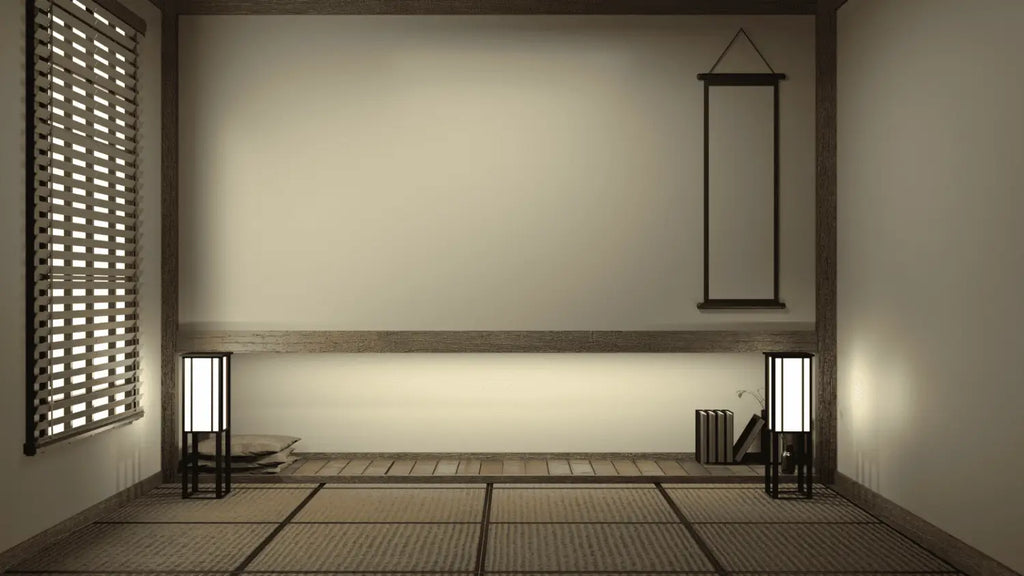
Japanese Lamps Japanese lamps are far more than simple sources of light. They embody the elegance and simplicity of Japanese craftsmanship, blending tradition and modernity to create unique and aesthetically pleasing products.
For centuries, these decorative objects have been used not only to illuminate homes, but also to add a touch of serenity and beauty to any space.
In this article, we will explore the history, different types, and uses of Japanese lamps, while also providing you with guidance on how to choose, care for, and even make your own lamp.
Types of Japanese Lamps
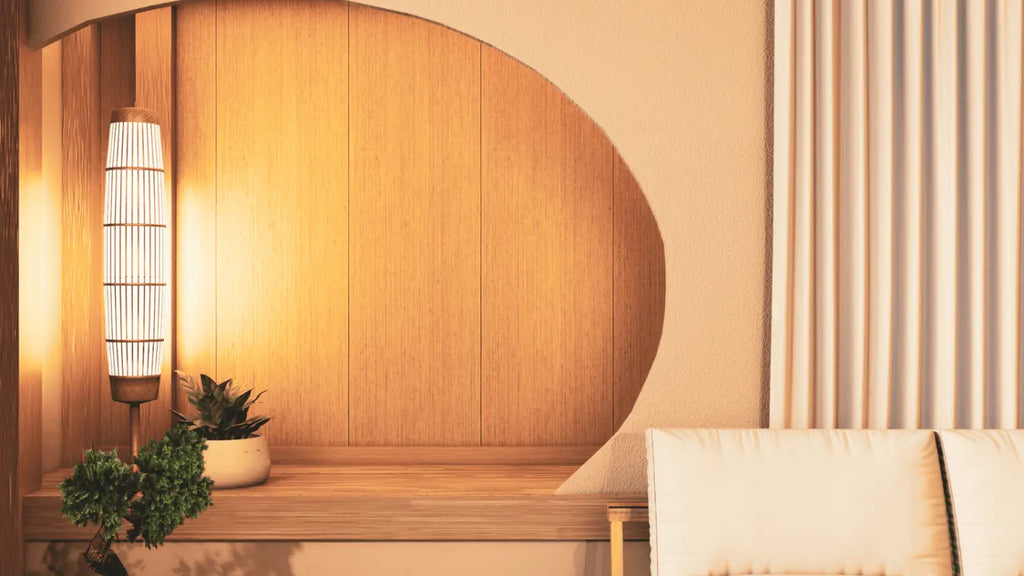
Chōchin Lamps
Chōchin lamps are among the most iconic Japanese lamps. Traditionally made from paper and bamboo, they were originally used as portable lanterns. Today, they often decorate the entrances of restaurants and homes. Their soft light creates a warm and welcoming atmosphere. They are an excellent example of a typical decorative pendant suspension.
Ishidōrō Lamps
Ishidōrō lamps, or stone lanterns, are often found in Japanese gardens and temples. Carved from lava stone, they are durable and withstand the elements. They add an authentic, zen touch to any outdoor space, particularly in Asian-style décor.
Andon Lamps
Andon lamps, made from washi paper and wood, were once used to illuminate Japanese interiors. Their clean design and diffused glow make them an ideal choice for creating an atmosphere that is calming in your home. An hanging lamp andon can also serve as a decorative ceiling light.
Materials and Manufacturing Techniques
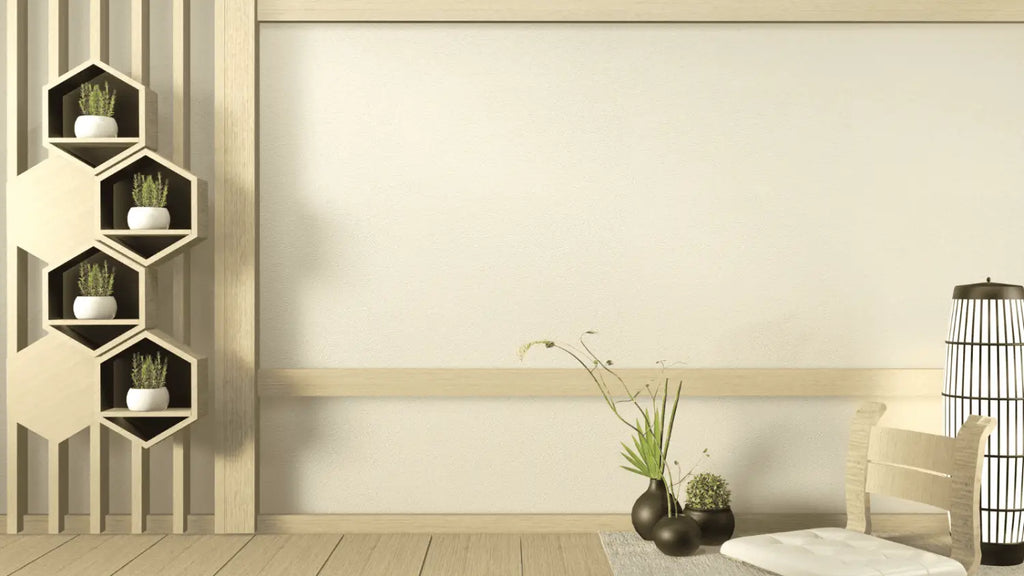
Washi Paper
The washi paper is a traditional Japanese material, known for its durability and unique texture. Used in the making of lamp shades, it diffuses a soft light that is also pleasant. The rice paper is also popular for its delicacy and natural beauty.
Wood and Bamboo
Wood and bamboo are materials commonly used for the structures of Japanese lamps. They add a natural and elegant touch, while remaining robust and long-lasting. Wooden and paper Japanese lamps are especially appreciated for their natural aesthetic and zen style.
Lava Stone
The lava stone, used for garden lanterns, is valued for its solidity and rustic appearance. It blends perfectly into zen gardens, bringing a touch of serenity. Stone lanterns are outdoor décor elements that add a spiritual dimension to your garden.
Using Japanese Lamps in Interior Décor
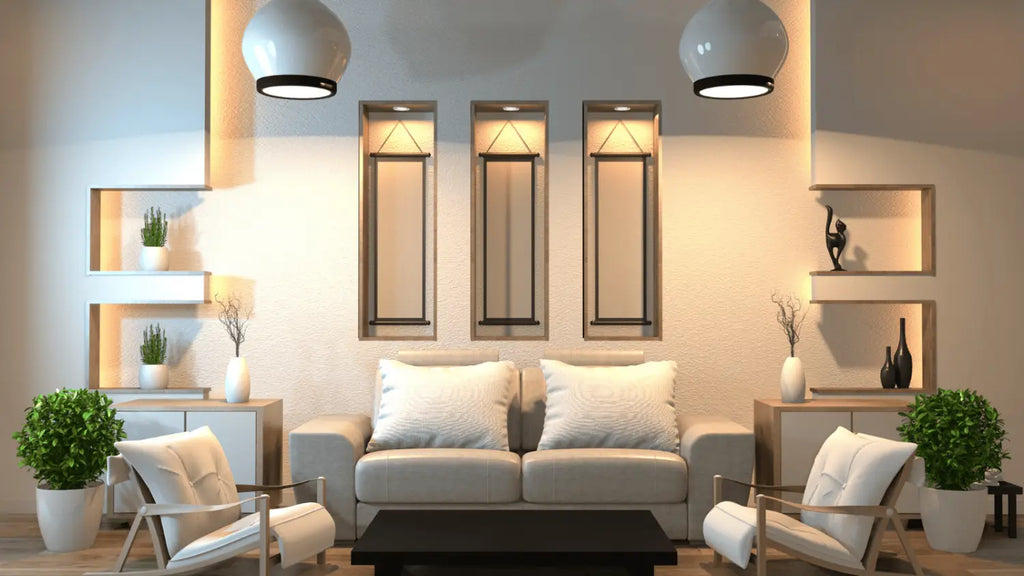
Living Rooms and Family Rooms
Japanese lighting fixtures can transform your living room into a haven of peace. Place them near reading corners or relaxation areas to create a zen atmosphere. Their soft light and gentle diffusion are perfect for relaxing evenings. Table lamps and Japanese wall sconces are ideal for this space.
Bedrooms
In bedrooms, Japanese bedside lamps provide a soft light, ideal for reading before going to bed. They also add a touch of elegance and tranquility to your personal space. An bedside lamp made of wood and paper can perfectly complement a bedroom.
Outdoor Spaces and Gardens
Lanterns made from lava stone are perfect for illuminating the paths in your garden. They add a touch of mystery and calm, turning your garden into a meditative space. A lava stone garden lamp is an essential decorative element for creating a zen atmosphere.
Buying and Care Tips
How to Choose a Japanese Lamp
When choosing a Japanese lamp, consider the size of the space, the type of material, and the lamp’s style. Choose authentic materials such as rice paper and lava stone to achieve a true Japanese ambiance. You should also consider the color and patterns that will harmonize with your interior.
Care and Cleaning
To maintain your Japanese lighting fixtures, dust them regularly with a soft cloth. Avoid direct exposure to sunlight and moisture to preserve their quality. An LED table lamp made of ceramic requires little maintenance and offers a long service life.
Comparison of the Best Japanese Lamp Models
Here is a comparison of the 10 most popular Japanese lamps. Each model is assessed based on its features, advantages, and disadvantages to help you make an informed decision. The usual prices and dimensions are also included to guide your choice.
Where Can You Buy Japanese Lamps?
Specialty Stores
Buying from specialty stores allows you to see and handle the lamps before purchasing. In addition, sellers can provide personalized advice. A gift card is an excellent option for offering a Japanese lamp to your loved ones.
Online Shopping
Online shopping offers a great variety of choices and competitive prices. Make sure to select reliable websites with positive customer reviews. Our online selection offers high-quality models at usual prices with attractive rates.
DIY Projects: Making Your Own Japanese Lamp
Required Materials
To make your own Japanese lamp, you will need washi paper, bamboo or wood, and a few basic tools. The rice paper and natural materials such as stone are also recommended.
Manufacturing Steps
Follow these simple steps to create a unique and personalized lamp. We provide detailed instructions and tips to help you with your DIY project. An hanging lamp made by hand can add a touch personal to your interior décor.
Conclusion
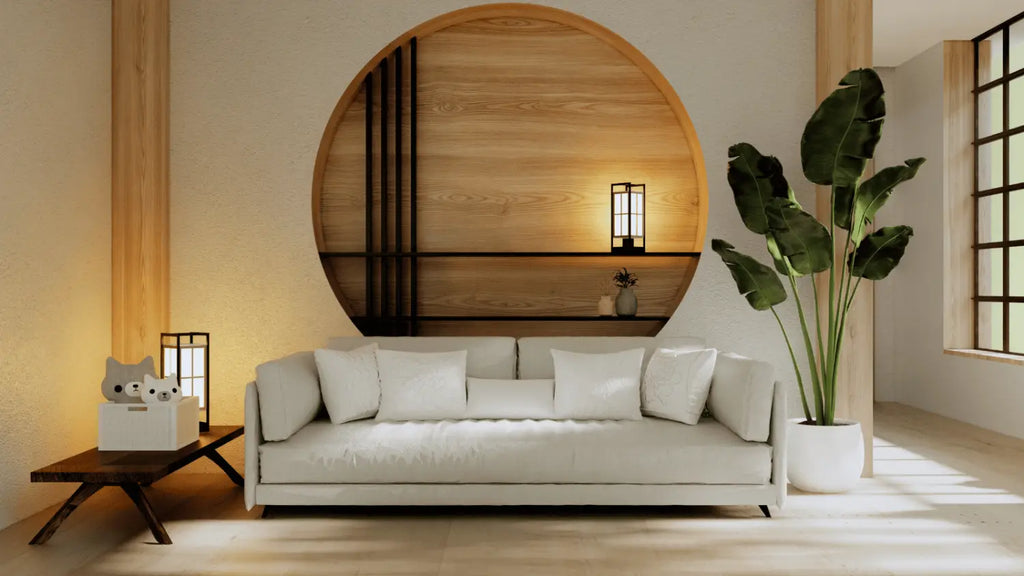
Japanese lamps are an excellent way to bring a touch of serenity and beauty to your home. Whether you choose traditional or modern models, each fixture is, in itself, a work of art. Explore our collection to find the perfect lamp that matches your style and needs.
Frequently Asked Questions About Japanese Lamps

1. What are the different types of Japanese lamps?
Japanese lamps come in several types, each with its own style and use. Chōchin lamps are traditional paper lanterns, often seen during festivals. Ishidōrō lamps are garden lanterns made from lava stone, ideal for outdoor zen spaces.
Andon lamps are lamps made from washi paper and wood, perfect for a calming indoor atmosphere. Each of these lamps adds an authentic and serene touch to your décor.
2. What materials are used to make Japanese lamps?
Japanese lamps are made from various natural materials. The Washi paper and the rice paper are commonly used for lamp shades due to their delicate texture and their ability to diffuse a soft light.
Wood and bamboo are used for the structures, adding a natural and elegant touch. The lava stone is popular for garden lanterns because of its durability and rustic appearance.
3. How do you maintain and clean a Japanese lamp?
To maintain and clean a Japanese lamp, use a soft cloth to remove dust regularly. Avoid exposing paper lamps to excessive humidity and direct sunlight to prevent fading.
Stone lamps can be cleaned with a soft brush and water to remove dirt. By following these tips, you will preserve the beauty and longevity of your lamps.
4. Where can I buy authentic Japanese lamps?
You can buy authentic Japanese lamps in specialty stores for Asian décor, online on reliable websites, or directly in Japan.
Specialty stores offer the advantage of seeing the products in person, while online sites provide a wide selection and competitive prices. Look for positive customer reviews to ensure the quality of your purchase.
5. How do I choose the right Japanese lamp for my interior?
To choose the right Japanese lamp for your interior, consider the size of your space, the type of material, and the lamp’s style. For a bedroom, a bedside lamp made of paper and wood will be ideal.
For a living room, choose a hanging lamp or a bamboo ceiling light. Make sure that the lamp’s color and pattern complement your existing décor.
6. What is the cultural meaning of Japanese lamps?
Japanese lamps have deep cultural significance. They are often used in Buddhist temples and zen gardens to symbolize light and spirituality.
For example, Ishidōrō stone lanterns represent durability and serenity. Used during festivals, Chōchin lamps bring joy and illumination, creating a festive and communal atmosphere.
7. Can one make a Japanese lamp oneself?
Yes, you can make your own Japanese lamp. For a DIY project, you will need materials such as Washi paper, bamboo or wood, and a few basic tools.
Many online resources offer detailed guides to create Chōchin, Andon, or even stone garden lanterns. This is a creative and satisfying way to add a touch personal to your décor.
8. How can Japanese lamps be incorporated into a modern décor?
To incorporate Japanese lamps into a modern décor, choose models with clean lines and neutral colors. An Japanese wall sconce made of rice paper and wood blends perfectly into a contemporary living room.
The bedside lamps made of wood and paper bring a touch of warmth and elegance to a bedroom modern setting. Use these lamps as decorative elements to create a zen atmosphere that is balanced and harmonious.
9. What are the benefits of rice paper lamps?
Rice paper lamps in rice paper offer several advantages. They provide a soft light that is pleasant and soothing, creating a warm and relaxing atmosphere. The rice paper is lightweight and has a unique texture that adds a touch of natural elegance to any room.
In addition, these lamps are eco-friendly and often made by hand, which makes them a durable and aesthetic choice for your interior décor.
10. What is the usual price of Japanese lamps?
The usual price of Japanese lamps varies according to their type, size, and materials. Paper-and-wood lamps may cost between 30 and 100 euros, while stone garden lanterns can range from 50 to 300 euros.
Handmade models and large hanging lamps can be more expensive. It is recommended to compare prices and read reviews before purchasing to ensure the best value for money.